


Oregon’s climate, water conditions, and aging home infrastructure can create unique plumbing challenges for homeowners. From frequent rain to cold winter temperatures, knowing what problems to watch for—and how to address them—can save you time, money, and stress. Here are the most common plumbing issues Oregon homeowners face and what you can do about them.
1. Leaky Pipes and Fixtures
The Problem:
Leaks under sinks, dripping faucets, and worn-out pipe joints are common, especially in older homes. Constant moisture and pipe aging can make small leaks turn into major water damage.
How to Fix It:
- Tighten loose connections
- Replace worn washers or seals
- Call a professional for hidden or recurring leaks
Early detection prevents mold growth and costly structural repairs.
2. Clogged Drains
The Problem:
Kitchen grease, food debris, hair, and soap buildup cause slow or blocked drains in sinks, showers, and tubs.
How to Fix It:
- Avoid pouring grease or food scraps down drains
- Use drain screens in showers and sinks
- Professional drain cleaning clears deep blockages safely
Ignoring clogs can lead to backups and pipe damage.
3. Low Water Pressure
The Problem:
Low pressure is often caused by mineral buildup, aging pipes, or faulty pressure regulators—issues common in many Oregon neighborhoods.
How to Fix It:
- Clean faucet aerators
- Check for hidden leaks
- Have a plumber inspect pressure regulators or supply lines
Proper pressure improves fixture performance and water efficiency.
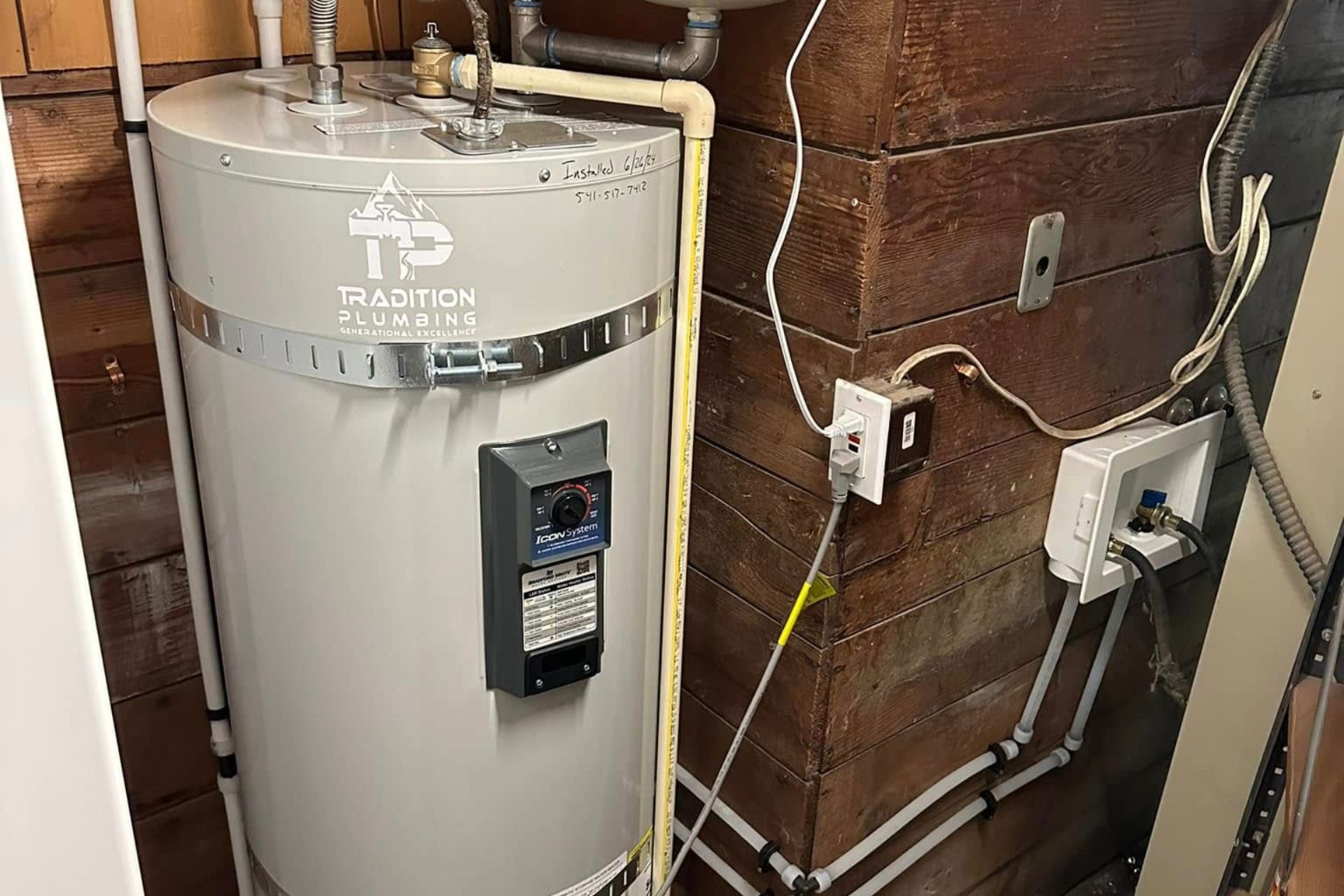
4. Water Heater Issues
The Problem:
Inconsistent hot water, strange noises, or rising energy bills often signal water heater problems.
How to Fix It:
- Flush the tank to remove sediment
- Replace faulty heating elements or thermostats
- Consider replacement if the unit is older or inefficient
Regular maintenance extends the life of your water heater.
5. Frozen or Burst Pipes
The Problem:
Cold winter temperatures can freeze exposed pipes, causing them to crack or burst when thawing.
How to Fix It:
- Insulate exposed pipes
- Keep indoor temperatures consistent
- Shut off water and call a plumber if freezing occurs
Preventative steps reduce the risk of major water damage.
6. Sewer Line Backups
The Problem:
Tree roots, heavy rainfall, or aging sewer lines can cause slow drains, foul odors, or backups.
How to Fix It:
- Avoid flushing non-degradable items
- Schedule routine sewer inspections
- Professional repair or replacement may be required for severe issues
Addressing sewer problems early protects your home and health.
Final Thoughts
Plumbing problems are a part of homeownership—but they don’t have to turn into emergencies. Understanding common issues and addressing them early helps keep your home safe, efficient, and comfortable year-round.
If you notice recurring issues or signs of hidden damage, professional plumbing service is the best way to ensure long-lasting solutions and peace of mind.